 When a room is packed with extra beds, medical equipment, or clutter, caregivers run out of space to safely move a resident from bed to wheelchair or bed to bathroom. That tight squeeze is often where a fall happens, or a transfer goes wrong.
In Atlanta nursing home cases, the physical condition of a resident’s room is rarely just a comfort issue. It is often the first clue that a facility cuts corners on staffing or upkeep.
At Wagner Hughes, our nursing home negligence lawyers in Atlanta evaluate whether room conditions contributed to the resident’s injuries. Call us at 404-900-6979 or fill out our confidential contact form to talk about what happened to your loved one.
What “Room Conditions” Really Means in a Nursing Home Case
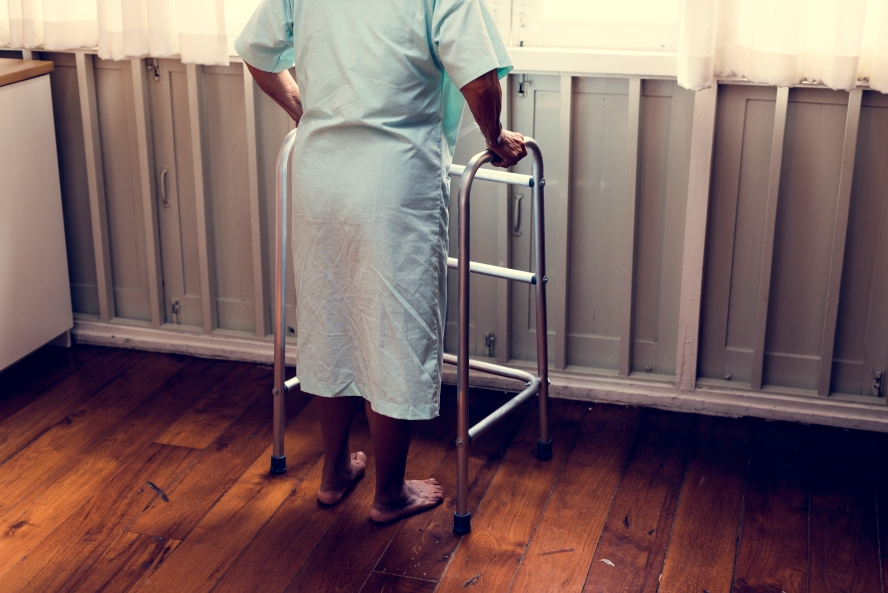
When families hear “room conditions,” they often picture dirty floors or a bad smell. Those things matter, but the bigger danger is space and setup. A safe transfer needs room for a caregiver, sometimes two, plus a wheelchair, a walker, or a mechanical lift.
Georgia nursing homes must give residents enough usable floor space to move around safely. When a facility crowds extra beds into a room built for two people, or blocks pathways with equipment that has nowhere else to go, there is no longer enough room to do the job right. A tight room turns a routine transfer into a two-person job done by one rushed aide.
How Crowded Rooms Lead to Unsafe Transfers
Most falls in nursing homes do not happen because a resident wandered off alone. They happen during a transfer, when staff lifts or repositions someone with limited mobility.
A cramped room forces caregivers to twist, rush, or skip a step. Bed rails get in the way. Wheelchairs cannot get close enough to the bed. A second staff member who should be helping cannot even fit in the room.
Falls are the leading cause of injury for adults 65 and older, and residents in crowded, understaffed facilities face that risk every single day. A single dropped transfer can cause a hip fracture, a head injury, or worse for a frail, older resident.
Warning Signs Your Loved One’s Room Is Putting Them at Risk
Families visiting a loved one in a nursing home should watch for a few clear signs:
- Furniture, equipment, or a roommate’s belongings blocking the path to the bed or bathroom
- Bruises, skin tears, or complaints about being “yanked” or dropped during transfers
- Beds pushed close together in a room that feels too small for the number of people living in it
Georgia holds nursing homes to specific standards for resident rooms, staffing, and safe transfer practices, and state inspectors with the Georgia Department of Community Health review those standards during facility surveys.
A nursing home negligence attorney can help you figure out whether what you are seeing crosses the line from uncomfortable into unsafe.
What To Do If Room Conditions Contributed to an Injury
If your loved one was hurt during a transfer or fall, start by writing down what you saw and when. Photos of the room, especially clutter or tight spacing near the bed, can matter later. Ask the facility for the incident report in writing. A nursing home negligence lawyer can request the facility’s staffing records, room inspection history, and internal transfer protocols to find out whether the space itself set your loved one up to fail. Our team of attorneys has spent years digging into exactly this kind of evidence for Georgia families.
No family should have to guess whether a “small” room caused a serious injury. Georgia nursing homes have a legal duty to give residents enough safe space and enough staff to move them without harm. When that duty gets ignored, the results can be devastating for a resident and their whole family.
If your loved one was injured in a fall or unsafe transfer at a nursing home, Wagner Hughes Georgia Nursing Home Abuse Lawyers, a nursing home negligence law firm built on holding facilities accountable, is ready to review what happened.
Contact Our Nursing Home Abuse Lawyers in Georgia
If a crowded room or unsafe transfer led to your loved one’s injury, Wagner Hughes Georgia Nursing Home Abuse Lawyers wants to hear from you. Call 404-900-6979 or reach out through our confidential contact form; a nursing home negligence law firm is ready to review your case at no cost.