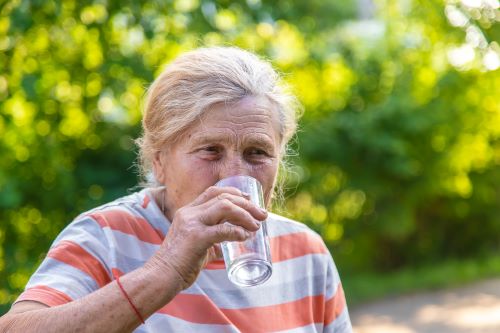
 When caregivers do not actively monitor fluid intake or offer drinks regularly, elderly residents suffer serious, preventable harm.
Federal law under 42 CFR §483.25 requires nursing homes to provide each resident with enough fluids to maintain proper hydration and health. That duty does not disappear when a resident has dementia, a swallowing disorder, or simply does not ask for water. It falls on the facility. When a facility fails to meet that standard, a Georgia nursing home abuse lawyer may be able to help your family hold it accountable.
What sets Wagner Hughes Georgia Nursing Home Abuse Lawyers apart? Our nursing home abuse attorneys each have 24+ years of experience, which includes experience on the defense side, representing the very nursing homes you’re up against. That experience gives us a real edge when fighting for families. If a loved one suffered dehydration that you believe came from neglect, reach out online or call us at 404-900-6979. We’re ready to help.
Why Georgia Summers Make Dehydration So Dangerous
Georgia’s heat and humidity are brutal from April through September. Heat index readings regularly climb above 100 degrees, making it one of the most demanding climates in the country for outdoor activity.
The Atlanta-based Centers for Disease Control and Prevention (CDC) has identified heatstroke as the most serious heat-related illness, capable of causing permanent disability or death if untreated. Elderly residents face that risk every single day during warm months if staff do not take basic precautions.
Older adults are more vulnerable for several reasons.
- Their bodies hold less water than those of younger people
- Their sense of thirst weakens with age
- Many common medications affect how the body retains fluids or regulates temperature.
- Residents with dementia or Alzheimer’s may not recognize that they are thirsty or be able to ask for help.
For nursing home residents, getting enough fluids depends entirely on attentive staff.
The Difference Between Preference and Neglect
Not every case of dehydration is neglect. Some residents genuinely resist drinking, and that preference must be carefully documented and worked around with other strategies. But there is a clear line between a resident who declines fluids despite good-faith care efforts and a resident who never received an offer.
Signs that dehydration may reflect staff failure rather than personal choice include:
- No record of daily fluid intake in the resident’s chart
- Staff were unable to say how much the resident drank that day
- Water pitchers are found empty or left out of reach
- No written hydration plan in the care plan despite known risk factors
- Multiple residents in the same facility are showing dehydration at the same time
A resident does not need to verbally complain for neglect to exist. Under Georgia nursing home regulations, facilities must identify residents at risk and put proactive plans in place. Understaffing, poor training, and disorganized care are not excuses. They are exactly the conditions that give rise to a Georgia nursing home neglect attorney’s case.
What Dehydration Does to an Elderly Body
Early dehydration may look mild: dry mouth, fatigue, and a slight headache. But in older adults, those signs can escalate quickly.
Without treatment, dehydration can cause:
- Urinary tract infections and kidney failure
- Dangerous drops in blood pressure
- Confusion, delirium, and worsening dementia symptoms
- Increased fall risk from dizziness and weakness
- Organ failure and death in severe cases
Many Georgia families have been told that a sudden mental decline or a serious fall was simply part of aging. Sometimes it is. But just as often, it traces back to weeks of inadequate hydration that went unnoticed or unreported.
What Georgia Law Requires from Nursing Homes
Georgia nursing homes are licensed and regulated by the Georgia Department of Community Health’s Healthcare Facility Regulation Division (HFRD). The HFRD conducts regular surveys, investigates complaints, and can impose fines or revoke licenses for facilities that fail to meet state and federal care standards.
Federal regulations require nursing homes to provide sufficient fluid intake to maintain health. The Georgia Nursing Home Residents’ Bill of Rights adds state-level protections. When both sets of rules are violated and a resident is harmed, a Georgia nursing home abuse law firm can pursue claims that may result in compensation for medical costs, pain and suffering, and other damages.
If your loved one died from complications tied to dehydration or heat-related illness, Georgia law may also allow a wrongful death claim. These cases can be complex, but families have real legal options.
When It Is Time to Call a Lawyer, Call Our Georgia Nursing Home Abuse Attorneys
You do not need to be certain that neglect occurred before reaching out to a nursing home abuse attorney in Atlanta. You just need to have concerns. An experienced Georgia nursing home neglect attorney at our law firm can review medical records, care plans, and staffing logs to find out what actually happened. Most families do not know what to look for. That is exactly what legal representation is for.
At Wagner Hughes Georgia Nursing Home Abuse Lawyers, our attorneys spent years defending nursing homes, personal care homes and assisted living facilities before switching sides. We know exactly where facilities cut corners and how to prove it. Call us at 404-900-6979 or contact us online to get started.