
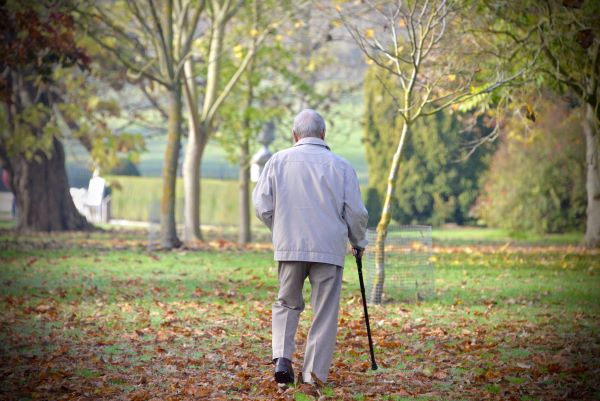
 When an elderly man was reported missing from a personal care home in Roswell, Georgia in early 2026, what started as a missing person call turned into something far worse.
Roswell police investigated and shut the facility down entirely, arrested its operator on elder exploitation and elder trafficking charges, and relocated 10 senior residents to safe environments.
The missing man was eventually found at an Atlanta shelter. But the deeper investigation revealed a pattern of supervision failures that put every person in that home at serious risk.
If your loved one wandered away from a care facility in Georgia or was unaccounted for even briefly, that is not something to brush aside. It may point to negligence. At Wagner Hughes Georgia Nursing Home Abuse Lawyers, our nursing home abuse attorneys represent Georgia families harmed by skilled nursing facilities, personal care homes and assisted living facilities that failed to keep their residents safe. Call us at 404-900-6979 or fill out our confidential contact form to speak with us today.
What Happened at the Roswell Personal Care Home
In January 2026, an elderly man went missing from a home on Worthington Hills Drive. When the police eventually located him safely, they began investigating the property itself.
The operator was actually running an unlicensed senior care facility without any state authorization. Ten residents were crowded into converted living rooms, dining rooms, and other non-bedroom spaces. A backyard shed, lacking running water, plumbing, and bathroom access, had been converted into a sleeping area.
Roswell police said the operator was exploiting residents’ financial resources for her own personal gain. Sadly, this is what can happen when a vulnerable senior is placed in a setting that operates entirely outside the law, without oversight or accountability.
The Difference Between Wandering and Elopement
These two terms often get used interchangeably, but they describe very different situations.
Wandering refers to a resident moving through a facility without a clear destination. It is common among people living with dementia or Alzheimer’s disease and is not inherently dangerous when staff are present and attentive.
Elopement is different. It means a resident has left the facility, unsupervised and without authorization, often without anyone noticing immediately.
According to research highlighted by U.S. News & World Report, 32% of elopement incidents involving people with dementia ended in death. A senior with cognitive decline who leaves a care facility may not be able to find their way back, recognize physical dangers, or ask for help. The consequences can be devastating and fast.
What Georgia Law Requires to Protect Residents
The Georgia Department of Community Health licenses and regulates personal care homes across the state through its Healthcare Facility Regulation Division. Under Georgia Rule 111-8-62-18, facilities must take precautions when housing any resident at risk of elopement. This includes identifying at-risk residents and taking steps to prevent unsafe wandering outside the home.
The Roswell facility operated without any state license at all. That means no required inspections, no mandated safety protocols, and no regulatory oversight. But even licensed facilities are not automatically safe. Licensed nursing homes and assisted living communities in the Atlanta area can still fall short when they are understaffed, fail to assess resident risk on admission, or ignore warning signs that a resident is a wandering risk.
When a Missing Resident Points to Facility Negligence
A resident going missing is almost never truly accidental. Facilities have a legal duty to assess elopement risk when a resident is admitted, update that assessment as the resident’s condition changes, and put specific safeguards in place. Secure doors, alarm systems, wristband monitoring, and consistent staff rounds are among the tools available. When those systems are absent or ignored, elopement becomes far more likely.
Our nursing home abuse law firm has represented Georgia families in cases where a missing senior was the direct result of a facility’s chronic neglect. If your loved one wandered off and staff took too long to notice, if the facility lacked basic security measures, or if no one conducted a proper elopement risk assessment, those facts matter. They are the kind of evidence that a nursing home neglect lawyer can use to build a case for your family.
What Families Should Do After an Elopement Incident
If your loved one went missing from a Georgia nursing home, personal care home, or assisted living facility, act quickly. Evidence disappears fast. Surveillance footage gets overwritten. Staff accounts shift.
Here are the steps to take right away:
- Request the facility’s incident report and any internal investigation records.
- File a complaint with the Georgia Department of Community Health.
- Write down everything you were told and when, including any promises made by facility staff.
- Speak with a personal care home attorney before accepting any explanation from the facility or its insurer.
The attorneys who make up our nursing home abuse law firm have recovered more than $42 million for victims of nursing home negligence, abuse, and neglect across Georgia. When supervision fails and a senior is harmed as a result, families deserve answers and accountability.
Contact Our Nursing Home Abuse Lawyers in Georgia
If someone you love went missing from a nursing home, assisted living facility or personal care facility in Georgia, do not wait. Call Wagner Hughes Georgia Nursing Home Abuse Lawyers at 404-900-6979 or fill out our confidential contact form to speak with us today.
Our office is in Atlanta, but we handle cases throughout the state of Georgia, with no upfront cost to you.